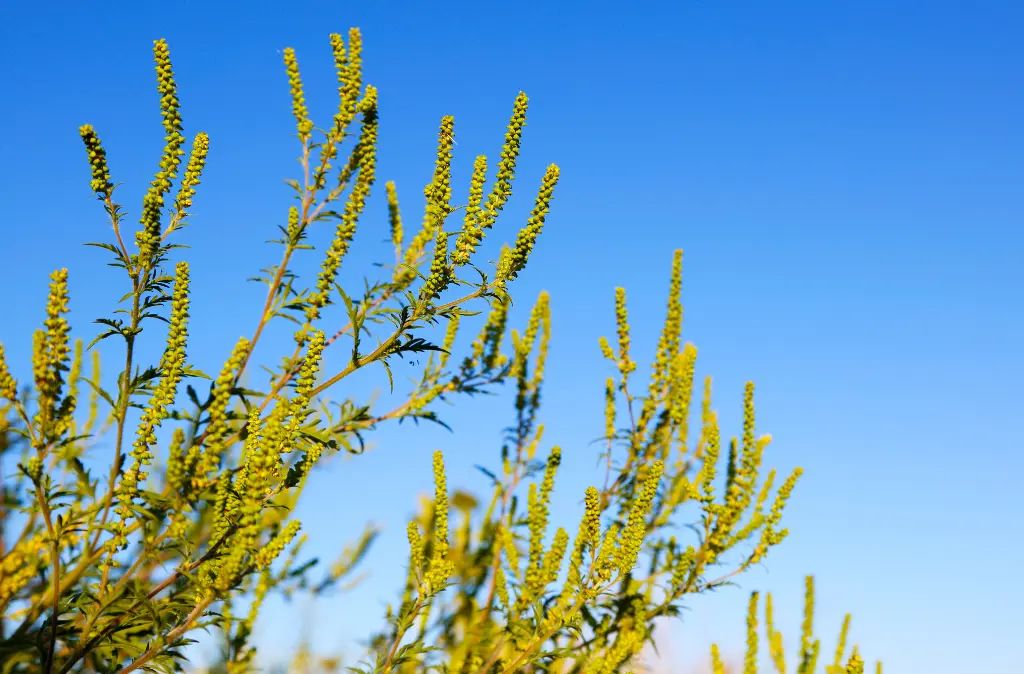
Fall allergies bring sneezing, congestion, and itchy eyes as ragweed and mold peak across Texas. This guide breaks down the most common fall allergy symptoms and treatment options, how to find relief fast, and when to visit LoneStar Urgent Care in Corpus Christi for care that leaves you feeling better.
What Causes Fall Allergies?
Fall allergies come from allergens that thrive in cooler months. Ragweed is the biggest trigger. A single ragweed plant releases up to a billion pollen grains per season, and that pollen travels for miles on the wind. In Corpus Christi and across Texas, warm days and mild autumns keep ragweed active well into November.
Mold is another common culprit. Damp leaves, compost piles, and shaded areas hold moisture and grow mold that releases spores into the air. Dust mites also stir up trouble once you turn on the heat for the first time and blow settled particles through your home.
Your body reacts to these allergens as if they were harmful invaders. It releases histamine, which triggers the runny nose, watery eyes, and sneezing you feel. This is why so many people in South Texas notice symptoms flare the moment ragweed season starts.
What Are the Most Common Fall Allergy Symptoms?
Fall allergy symptoms in adults and children look similar and often get mistaken for a cold. The difference is that allergy symptoms last for weeks and come with itching rather than fever or body aches.
Watch for these signs:
- Sneezing and a runny or congested nose
- Postnasal drip and a scratchy throat
- Itchy nose, throat, or ears
- Watery, red, or itchy eyes
- Coughing, especially at night
- Fatigue from poor sleep and constant congestion
Some people also notice worse asthma symptoms in the fall. Ragweed and mold can tighten your airways and lead to wheezing or shortness of breath. If breathing feels harder than usual, that is a signal to get checked rather than wait it out.
How Do You Tell Allergies From a Cold?
Colds usually clear within a week to ten days and often bring a low fever or aches. Allergies linger as long as you stay exposed to the trigger, and they cause itching that colds rarely do. If your symptoms return at the same time each fall, allergies are the likely cause. A quick visit to LoneStar Urgent Care can confirm what you are dealing with so you treat the right problem.
Fall Allergy Treatment Options That Work
The good news is that fall allergy symptoms respond well to treatment. The right approach depends on how severe your symptoms are and how long they last.
Over-the-Counter Medicine
Antihistamines block the histamine your body releases and ease sneezing, itching, and runny nose. Non-drowsy options work well for daytime use. Nasal corticosteroid sprays reduce inflammation in your nasal passages and help with congestion, and they work best when you start them before your symptoms peak. Decongestants shrink swollen nasal tissue for short-term relief, though you should limit how long you use them.
Many people ask which antihistamine works better for fall allergies. Both common non-drowsy options relieve similar symptoms, and the best choice depends on how your body responds. One might make you slightly drowsy while the other does not. If you are unsure which fits your needs, our team can guide you toward the right fit.
Nasal Sprays and Eye Drops
Cromolyn sodium nasal spray helps prevent symptoms when you use it before exposure. Saline rinses flush pollen and mold from your nasal passages without medication. Allergy eye drops relieve the itching and redness that come with watery eyes. These options pair well with oral medicine for stronger relief.
Prescription Treatment
When over-the-counter medicine does not control your symptoms, stronger prescription options help. A clinician might recommend prescription-strength nasal sprays or oral medications tailored to your symptoms. At LoneStar Urgent Care in Corpus Christi, we evaluate your symptoms, explain your diagnosis clearly, and give you a treatment plan you understand. Our Patient First Attitude means you leave knowing exactly what to do next.
How to Get Rid of Fall Allergies Fast
To find relief quickly, combine medicine with steps that reduce your exposure to allergens. Start antihistamines or a nasal spray at the first sign of symptoms. Waiting until you feel miserable makes relief slower.
Cut down your exposure with a few simple habits:
- Keep windows closed on high-pollen days and run the air conditioning
- Shower and change clothes after spending time outdoors
- Check pollen counts and plan outdoor activities for early evening when ragweed levels drop
- Wash bedding weekly in hot water to remove pollen and dust mites
- Wear a mask when raking leaves or doing yard work
These steps limit how much ragweed and mold reach your body. Combined with the right medicine, most people feel noticeably better within a few days.
Can You Cure Fall Allergies Permanently?
There is no instant permanent cure for pollen allergies, but long-term treatment can reduce your sensitivity over time. Immunotherapy exposes your body to small, controlled amounts of an allergen to build tolerance. For most people in Corpus Christi, a combination of prevention and the right medicine keeps symptoms under control each season. A clinician can help you decide if you need a long-term plan.
When Should You See a Doctor for Fall Allergies?
Most fall allergies improve with home care and over-the-counter medicine. Some symptoms need professional attention. See a doctor if your symptoms last more than two weeks, if over-the-counter medicine stops working, or if you develop a sinus infection with facial pain, thick discolored mucus, or fever.
Trouble breathing, wheezing, or chest tightness means you should get seen right away. Allergies can worsen asthma, and untreated symptoms lead to sinus infections that need prescription care. When your regular doctor is not available, LoneStar Urgent Care fills that gap with walk-in access and minimal wait times.
We serve families across Corpus Christi and beyond, and we are open convenient hours every day of the year. No appointment needed. You walk in, get seen, and get a clear plan. Our patients tell us they were in and out quickly and felt cared for the whole time.
Frequently Asked Questions
How do I stop fall allergies immediately?
Start a non-drowsy antihistamine and a saline nasal rinse at the first symptom, then reduce your exposure by keeping windows closed and showering after time outdoors. For faster or stronger relief, visit LoneStar Urgent Care for a prescription option tailored to your symptoms.
What are the most common fall allergies?
Ragweed pollen, mold spores, and dust mites cause most fall allergies. Ragweed is the leading trigger and stays active across Texas well into November.
Do I need an appointment to be treated for allergies?
No. LoneStar Urgent Care offers walk-in access with no appointment necessary, and we are open every day of the year with minimal wait times.
Are fall allergy visits affordable?
Yes. We keep our care affordable with transparent costs, and we work with your insurance to help lower what you pay.
Get Relief From Fall Allergies at LoneStar Urgent Care
You do not have to suffer through ragweed season. LoneStar Urgent Care in Corpus Christi offers fast, compassionate treatment for fall allergies, along with diagnostic services, minor emergencies, physicals, primary care, vaccinations, and coronavirus testing. Skip the ER hassle and walk in any day of the week for care that leaves you with a smile. Come see the LoneStar Way and get the Texas compassion you deserve.