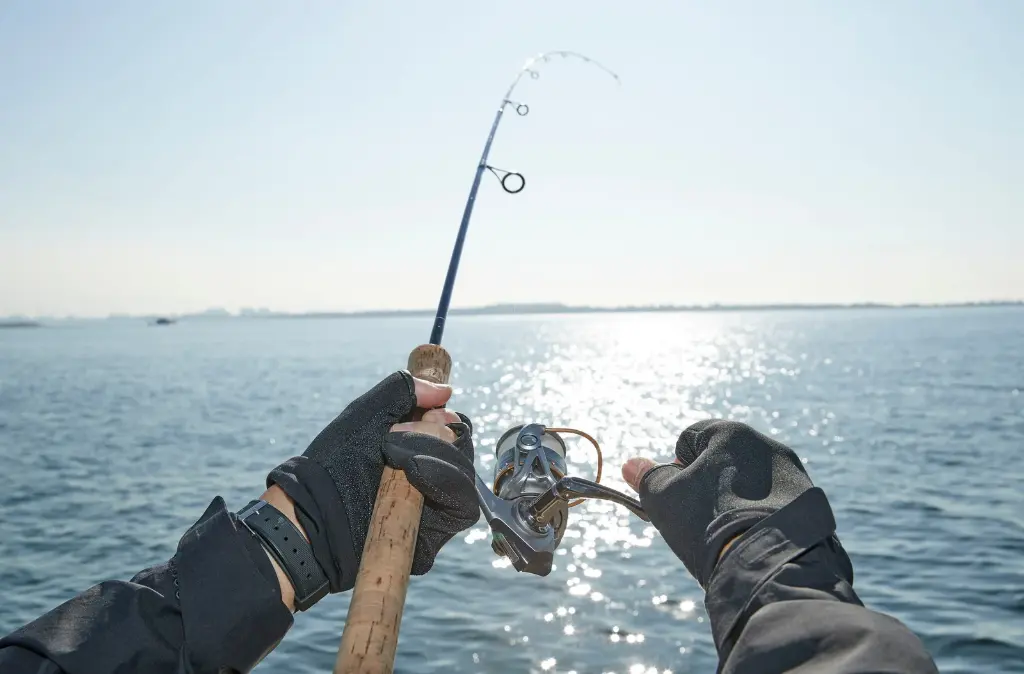
Fishing along the Texas coast brings sunshine, good company, and the occasional injury. This guide covers the most common fishing injuries in Corpus Christi, from embedded hooks to stingray barbs, and shows you how to treat them safely. You will also learn when a wound needs professional care and how Lonestar Urgent Care helps you get back on the water fast.
Common Fishing Injuries in Corpus Christi, TX
A day on the water near Corpus Christi can turn painful in seconds. Embedded fishhooks, stingray barbs, catfish spine punctures, knife cuts from cleaning your catch, slips on wet decks, sunburn, and dehydration top the list of problems local anglers face. Most of these injuries are treatable, but saltwater environments add risk that dry-land cuts do not carry.
The warm Gulf waters around Corpus Christi hold bacteria that turn a small puncture into a serious infection. That is why quick, correct treatment matters. Knowing what to do in the moment protects you from complications later.
What makes fishing injuries different?
Fishing injuries combine sharp objects, contaminated water, and remote locations. You are often hours from your regular doctor when a hook sinks into your thumb or a stingray tags your ankle. Saltwater exposure also introduces organisms like Vibrio, which thrive in the Gulf and can cause fast-spreading skin infections. A wound you might ignore at home deserves closer attention when it happens on the bay.
Why Are Fishhook Injuries Dangerous?
A fishhook does more damage than a simple puncture. The barb is designed to resist pulling back out, so trying to yank it free tears tissue and widens the wound. Hooks can also lodge near tendons, nerves, or blood vessels in the hands and face, which are the most common spots for angler hook injuries.
Any hook wound breaks the skin and opens a path for bacteria. If the hook was used in saltwater or sat in a tackle box, it carries contaminants straight into your body. Deep or dirty hook wounds raise your infection risk and often need professional cleaning.
Should you push a fishhook through instead of pulling it back out?
For deeply embedded hooks, pushing the barb through the skin and cutting it off is sometimes safer than pulling backward, because pulling tears tissue. Do not attempt this on your face, near your eye, or over a joint. If the hook is lodged in a sensitive area or you cannot see it clearly, leave it in place and come to Lonestar Urgent Care for removal.
Do you need a tetanus shot after a hook or fin spine puncture?
You need a tetanus booster if your last shot was more than five years ago and the wound is dirty, which most fishing punctures are. Tetanus lives in soil and marine environments, and puncture wounds create the low-oxygen conditions it favors. Our team checks your vaccination history and provides a booster when needed.
Catfish Spines and Stingray Barbs
Catfish spines and stingray barbs both deliver venom along with the puncture. A stingray barb can drive deep into your foot or ankle when you step on one hidden in the shallows, and the pain is immediate and intense. Catfish spines cause sharp stings and swelling, and fragments can break off inside the wound.
For stingray injuries, soak the area in hot water as soon as possible. Water around 110 to 113 degrees Fahrenheit, as hot as you can tolerate without burning, helps break down the venom and eases pain. Soak for 30 to 90 minutes, then seek care. Barb fragments and venom require professional cleaning to prevent infection and remove debris you cannot see.
Why Do Saltwater Wounds Deserve Extra Attention?
Saltwater carries Vibrio and other bacteria that cause aggressive infections. A wound that looks minor can worsen within hours. People with diabetes, liver conditions, or weakened immune systems face higher risk and should treat any saltwater cut seriously.
Watch for warning signs after a Gulf injury. Increasing pain, spreading redness, swelling, warmth, pus, red streaks moving up the limb, or fever all point to infection. If you notice these signs, get care the same day. Early treatment with proper wound cleaning and antibiotics stops small problems from becoming hospital stays.
Slips, Falls, and Deck Injuries
Wet decks, slick boat ramps, and uneven piers around Corpus Christi cause sprains, strains, cuts, and the occasional broken bone. An ankle sprain from a bad step on a rocking boat is one of the most common fishing-related injuries we treat. Rest, ice, and elevation help in the first hours.
Lonestar Urgent Care offers on-site diagnostic services, including X-rays, so you do not need a separate trip to confirm whether a fall caused a fracture. We treat sprains, minor fractures, lacerations, and the bumps and bruises that come with a long day on the water.
Sun, Heat, and Dehydration
The Texas sun is relentless, and hours on open water without shade lead to sunburn, heat exhaustion, and dehydration. Drink water steadily, wear sun protection, and take breaks in the shade. Headache, dizziness, nausea, and heavy sweating that stops suddenly signal heat illness. These symptoms need prompt attention, especially in children and older adults.
When to Get Professional Care
Come in for any hook you cannot remove cleanly, any stingray or catfish puncture, any saltwater wound showing signs of infection, deep cuts that will not stop bleeding, or possible fractures from a fall. Lonestar Urgent Care in Corpus Christi stays open every day of the year with convenient hours, so help is available when your fishing trip takes a turn.
Frequently Asked Questions
How do you know if a fishing wound is infected?
Look for spreading redness, increasing pain, swelling, warmth, pus, or red streaks moving away from the wound. Fever and chills also point to infection. If you see any of these after a saltwater injury, come in the same day for treatment.
Is it safe to keep fishing after a small cut?
A small, clean cut that stops bleeding can be bandaged, but any wound exposed to Gulf water should be washed thoroughly and watched closely. Saltwater bacteria raise your infection risk, so cover the cut and stop fishing if it worsens.
What should you do immediately after a stingray sting?
Soak the wound in hot water, around 110 to 113 degrees Fahrenheit, for 30 to 90 minutes to neutralize the venom and reduce pain. Then seek care to remove barb fragments and prevent infection.
Does Lonestar Urgent Care treat fishing injuries without an appointment?
Yes. We offer walk-in access with minimal wait times, no appointment needed, every day of the year. You get treated quickly and head back to your day.
Get Back on the Water with Lonestar Urgent Care
A fishing injury should not cost you your day or send you to a crowded emergency room. Lonestar Urgent Care in Corpus Christi treats hook removals, stingray and catfish punctures, saltwater wounds, sprains, lacerations, and minor fractures with on-site diagnostics and transparent, affordable care. Walk in any day of the year, skip the ER hassle, and let our team get you back on the water feeling cared for and confident. That is the LoneStar way.