Few things are as relaxing and fun as a day at the beach—waves rolling in, sunshine overhead, and soft sand between your toes. But all that fun can quickly come to a halt if someone gets hurt. Whether it’s a stubbed toe on a sharp shell, a cut from coral, or a painful sunburn, injuries at the beach are more common than many people realize. And while most beach-related injuries are minor, knowing how to prevent and manage them can make a big difference in your experience—and your recovery. If you experience a minor emergency in Corpus Christi, knowing when and where to seek help is key to getting back to your day safely.
Let’s explore how to stay safe in the sun and surf, what to do when an injury happens, and how to make sure your beach day ends with good memories—not a trip to the emergency room. From first aid tips to sunburn treatment and everything in between, here’s your guide to staying safe while soaking up the coastal vibes—and handling any minor emergency Corpus Christi might throw your way.
Why Injuries Are Common at the Beach
The beach may look peaceful, but it’s a dynamic and unpredictable environment. Natural elements like sun, saltwater, wind, and sand can all contribute to potential hazards. Add in crowded areas, water sports, and unpredictable marine life, and the risk for injuries increases.
Many beachgoers, especially tourists or occasional visitors, don’t anticipate how easily injuries can happen in such a laid-back setting. Uneven sand can lead to twisted ankles. Sharp rocks or broken shells hidden beneath the surf can cause cuts and scrapes. Even something as simple as running barefoot on hot sand can result in burns or blisters.
Beyond that, the excitement of being near the water often causes people to overlook basic safety measures—like wearing sunscreen, drinking enough water, or checking for rip current warnings. It’s this combination of nature, activity, and distraction that makes beach injuries both common and preventable. That’s why being prepared for a minor emergency in Corpus Christi is a smart part of beach planning.
Common Types of Seaside Injuries and How to Handle Them
Cuts and Scrapes from Shells, Rocks, and Coral
One of the most frequent injuries at the beach is a simple cut—often caused by stepping on a sharp shell, barnacle, or piece of coral. Even though these cuts are usually small, they can lead to infections, especially because bacteria thrive in warm, sandy, and salty conditions.
Coral cuts are particularly tricky, as small fragments can embed in the skin and increase infection risk. If you or a loved one gets a cut, rinse it immediately with clean, fresh water—preferably from a bottle rather than the ocean. Apply antiseptic and cover with a clean bandage. Seek care for any minor emergency Corpus Christi urgent care clinics can easily treat, especially if redness or swelling increases.
Sprains and Strains from Uneven Surfaces
Walking, running, or playing sports on shifting sand creates an unstable surface that can easily cause sprained ankles, twisted knees, or pulled muscles. These injuries may not seem serious at first but can worsen if not properly treated.
If a sprain occurs, use the RICE method—Rest, Ice, Compression, and Elevation. Avoid putting weight on the injured area, and use cold packs to reduce swelling. If symptoms persist, visit an urgent care center to manage your minor emergency in Corpus Christi.
Sunburn and Heat-Related Injuries
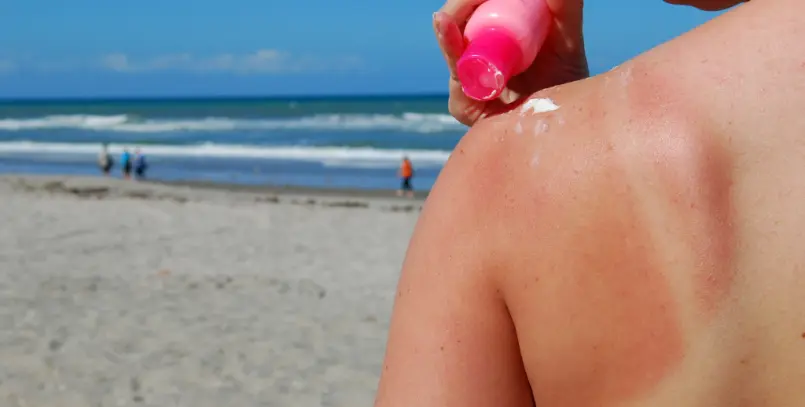
Sunburn is one of the most underestimated injuries on the beach. It’s more than just red skin—sunburn is a form of radiation burn that causes tissue damage, dehydration, and long-term skin aging. Repeated sunburns, especially in childhood, increase your risk for skin cancer later in life.
For sunburn relief, cool the skin with damp cloths and use aloe vera or over-the-counter creams. Avoid further sun exposure until the burn heals. Hydrate aggressively, as fluid is lost through the skin’s response to the burn.
Heat exhaustion and heat stroke are even more serious. If someone becomes dizzy, nauseous, or disoriented, move them to shade, offer fluids, and cool their body with wet towels. These situations may quickly escalate from a minor emergency in Corpus Christi to a major one, so act fast.
Marine Life Encounters
In addition to coral, beachgoers can also encounter stingrays, sea urchins, or jellyfish—all of which can cause painful injuries. Jellyfish stings vary in severity, but most can be treated by rinsing the area with vinegar and carefully removing any remaining tentacles with tweezers. Do not use fresh water, as it can worsen the sting.
If pain persists or the sting causes a systemic reaction such as shortness of breath or nausea, seek medical attention immediately. For stingray injuries, soak the wound in hot water and visit a local provider. These are common minor emergencies Corpus Christi clinics are equipped to treat.
Preventing Beach Day Injuries Before They Happen
Footwear and Smart Clothing Choices
Bare feet may be fun in the sand, but they also leave you exposed to sharp objects and hot surfaces. Water shoes or sandals protect against cuts, burns, and stings from hidden marine creatures. If you plan on walking on rocky shorelines or exploring tide pools, supportive footwear is essential to avoid slipping or ankle injuries.
Rash guards and long-sleeve swimwear protect against both UV radiation and contact irritants like jellyfish. Consider swimwear with built-in UV protection to reduce the need for constant sunscreen application.
Supervision and Boundaries for Children
Children are often the most enthusiastic beachgoers—and the most prone to injuries. Whether they’re running, digging, or swimming, their curiosity can lead them into dangerous territory quickly. Establishing clear boundaries on where they can and can’t go helps minimize risk.
Ensure they’re wearing life jackets if they’re not strong swimmers, and teach them basic water safety, including how to spot lifeguards and respond if they drift out. Keep an eye out for signs of heat exhaustion or dehydration, both common minor emergencies Corpus Christi providers handle in young beachgoers.
Monitor Weather and Ocean Conditions
Local weather conditions play a big role in beach safety. High winds can whip up sand and debris, while strong surf increases the chance of being knocked down or pulled by a current. Check flag warnings posted by lifeguards. A red or double-red flag indicates dangerous surf.
Rip currents, often invisible from shore, are a common cause of panic and drowning. Teach everyone in your group to swim parallel to the shore to escape one—not against it.
Long-Term Recovery and Aftercare for Beach Injuries
Wound Care and Infection Prevention
Saltwater may feel like nature’s antiseptic, but it’s not sterile. After leaving the beach, shower thoroughly with clean water and inspect any cuts or scrapes. Re-clean wounds, apply fresh antiseptic, and keep them covered until healed.
Look for signs of infection: redness, swelling, warmth, discharge, or fever. If symptoms appear, don’t wait—get help from a minor emergency Corpus Christi clinic for fast treatment.
Managing Muscle Strain and Sprains at Home
For soft tissue injuries, continue rest and ice therapy for the first 48–72 hours post-injury. Over-the-counter pain relief medications like ibuprofen can reduce inflammation. Avoid high-impact activity until mobility is restored.
If you’re still limping or sore after a few days, it may be time for imaging to rule out more serious damage. Local urgent care providers are great options for these minor emergency Corpus Christi situations.
When to Choose Urgent Care Over the ER
Urgent care is a practical option for most non-life-threatening beach injuries. Clinics often offer same-day service, and many have X-ray machines, wound cleaning stations, and prescription services—all with shorter wait times than the ER.
Go to urgent care for:
- Lacerations needing stitches
- Sprains with significant swelling
- Minor burns
- Jellyfish stings without allergic reaction
- Mild heat exhaustion
But always head to the ER if symptoms include confusion, loss of consciousness, chest pain, or heavy bleeding.
Safe Fun in the Sun Starts with Smart Planning
Beach days are about joy and relaxation, but they also require preparation. Taking a few extra minutes to pack sunscreen, shoes, hydration, and a small first-aid kit can make the difference between a quick fix and a full-blown emergency.
Most injuries at the beach are preventable—and those that aren’t can often be managed swiftly with the right tools and knowledge. Whether you’re visiting for the first time or you’re a local, knowing where to turn for a minor emergency in Corpus Christi can help you get back to the sunshine faster.