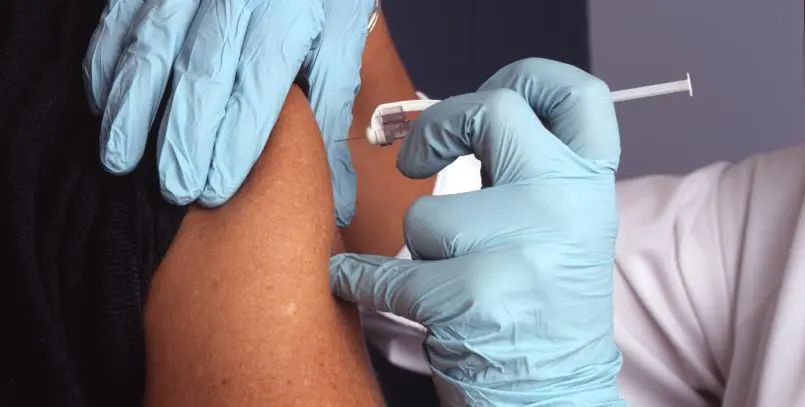
Vaccinations are often associated with childhood, but it’s important to remember that adults also need certain vaccinations to maintain their health. LoneStar Urgent Care understands the importance of preventive measures when it comes to chronic conditions and overall well-being. In this article, we’ll focus on two crucial vaccinations for adults: influenza and tetanus shots.
Influenza, often referred to as the flu, is a contagious respiratory illness that can cause mild to severe symptoms. According to the Centers for Disease Control and Prevention (CDC), millions of people get infected with the flu every year, leading to several hundreds of thousands of hospitalizations and tens of thousands of deaths in the United States. The CDC recommends annual flu vaccines for everyone aged six months and older, including healthy adults, as the virus strains circulating each year may differ. The vaccine takes about two weeks to be effective, so getting vaccinated before the flu season starts is essential.
Tetanus, on the other hand, is a severe bacterial infection that affects the nervous system, causing painful muscle stiffness and lockjaw. While tetanus infections are less common than influenza due to effective vaccination programs, they can still occur, primarily through puncture wounds, burns, and contaminated injuries. The CDC suggests that adults receive a tetanus booster shot every 10 years to prevent the infection.
Both influenza and tetanus shots play a critical role in protecting your health and preventing the spread of these diseases. Staying up-to-date with your vaccinations also helps reduce the burden on healthcare facilities during flu seasons and potential tetanus outbreaks. In the following sections, we will explore the benefits of receiving influenza and tetanus shots for adults, as well as address any misconceptions or concerns you may have.
The Benefits of Influenza and Tetanus Shots
A key aspect of taking a proactive approach to your health is understanding the benefits associated with vaccinations. In addition to preventing illness and potential complications, vaccinations for influenza and tetanus serve several other purposes that contribute to one’s overall wellness:
1. Reduced Risk of Transmission: By getting vaccinated against influenza and tetanus, you not only protect yourself but also reduce the risk of transmitting these diseases to people around you. This is especially important for individuals who have a higher risk of developing complications from the flu, such as young children, pregnant women, the elderly, and people with chronic health conditions.
2. Maintained Immunity: Your immunity to specific diseases may wane over time, making booster shots necessary to maintain optimal immunity. Adults need tetanus booster shots every ten years to protect themselves from potential infections.
3. Lowered Healthcare Costs: Preventing illness and complications through vaccinations can help save money on healthcare expenses, as treatment for severe cases can be costly.
4. Increased Productivity: Getting vaccinated against the flu can decrease your chances of catching the illness and reduce the severity of symptoms if you do fall ill. This means that you are less likely to require time off work or school due to sickness.
Debunking Common Myths About Vaccinations
There are various myths and misconceptions surrounding vaccinations, which can deter some individuals from getting vaccinated. It’s essential to be informed about the facts to make the best decision for your health. Here, we debunk some common myths associated with influenza and tetanus vaccinations:
1. Myth: The flu vaccine can give you the flu.
Fact: The influenza vaccine does not contain live viruses; it has inactivated or ‘killed’ viruses that cannot cause an infection. Some people may experience mild side effects, such as fatigue or soreness at the vaccination site, but these are unrelated to the flu.
2. Myth: You don’t need a tetanus shot if you haven’t had an injury.
Fact: The bacteria that cause tetanus are found in soil, dust, and animal feces. Although injuries involving puncture wounds or contaminated objects raise the risk of tetanus, it’s still crucial to keep your tetanus vaccination up to date in case of an unexpected injury.
3. Myth: Healthy individuals don’t need flu vaccines.
Fact: The flu can affect people of all ages and health levels. Healthy adults can still get sick and suffer severe complications. Everyone aged six months and older is encouraged to get an annual flu shot, regardless of their overall health.
Tips for Choosing the Right Vaccination Provider
It’s important to choose a reliable and convenient vaccination provider to ensure that the process is as seamless as possible. Here are some tips to help you find a suitable provider for your influenza and tetanus shots:
1. Reputation: Look for a provider with a positive reputation and experience in offering vaccination services. Reading reviews, asking for recommendations, and researching the provider’s background are all helpful in choosing a trustworthy provider.
2. Accessibility: Find a provider that is accessible and conveniently located, such as LoneStar Urgent Care. This makes it easier to schedule and attend appointments for vaccinations.
3. Qualified Professionals: Ensure the provider is staffed by qualified and experienced medical professionals. They should be able to answer any questions you have about vaccinations and provide guidance on the best vaccination approach for your needs.
Preparing for Your Influenza and Tetanus Vaccination Appointment
Once you have chosen a vaccination provider such as LoneStar Urgent Care, there are a few things to keep in mind to ensure everything goes smoothly during your appointment:
1. Bring Relevant Documentation: Bring any documentation that might be helpful, such as your vaccination record, insurance information, or identification.
2. Wear Comfortable Clothing: Wearing loose-fitting clothing with easy access to your upper arm will make the vaccination process more efficient and comfortable.
3. Consult a Professional If Necessary: If you have any concerns or questions about your vaccinations, it’s best to discuss them with a healthcare professional before your appointment.
4. Take Preventive Measures: While adverse reactions to vaccines are rare, it’s good to be prepared by knowing the common side effects and observing your body’s response after vaccination. If you experience any unusual side effects, contact a healthcare professional immediately.
Conclusion
Vaccinations play a crucial role in maintaining optimal health and well-being. Influenza and tetanus shots offer numerous benefits, including reducing the risk of disease transmission, maintaining immunity, lowering healthcare costs, and increasing productivity. By debunking common vaccination myths, choosing a reliable provider, and preparing for your appointment, you can easily integrate vaccinations into your routine healthcare measures.
As a leading urgent care facility in Texas, LoneStar Urgent Care is committed to providing accessible, high-quality, and convenient vaccination services to help our community stay healthy and protected. Protect yourself and your loved ones from preventable diseases. Schedule your influenza and tetanus vaccination appointments today!