Physical activity and participation in sports have numerous benefits for our overall health and well-being. However, injuries can sometimes occur, impacting your ability to perform and causing discomfort or pain. At LoneStar Urgent Care, we are dedicated to providing a patient-centered experience that leaves you feeling heard, cared for, and valued. Our experienced healthcare providers will work with you to accurately diagnose your sports injury, create a personalized treatment plan, and support you throughout your recovery journey. In this blog post, we will discuss the types of sports injuries you might encounter, the diagnostic and treatment services available at LoneStar Urgent Care, and how we can help you get back in the game as quickly and safely as possible.
Whether you’re a weekend warrior, a student athlete, or a professional athlete, sports injuries can happen to anyone. These injuries can range from acute traumas, such as sprains, fractures, and dislocations, to chronic overuse injuries, like tendonitis or stress fractures. At LoneStar Urgent Care, we have the expertise and advanced diagnostic capabilities needed to accurately diagnose and treat these sports injuries. Our knowledgeable healthcare providers understand that each patient’s situation is unique, and we are dedicated to developing a personalized treatment plan that takes your individual needs and goals into account. By combining the latest medical advances with a compassionate, patient-centered approach, LoneStar Urgent Care can help you overcome your sports injury and return to the activities you love.
Common Types of Sports Injuries
Sports injuries can be broadly categorized into two types: acute traumas and chronic overuse injuries. Some of the most common sports injuries include:
- Sprains: Injuries to ligaments caused by stretching or tearing.
- Strains: Injuries to muscles or tendons as a result of overstretching or tearing.
- Fractures: Breaks or cracks in bones, which can be further classified into stress fractures (caused by repetitive stress) and traumatic fractures (caused by sudden impact).
- Dislocations: Joint injuries resulting from the forced displacement of bones from their normal position.
- Tendonitis: Inflammation of a tendon due to overuse or repetitive strain.
- Bursitis: Inflammation of the bursa, a fluid-filled sac that cushions joints, often caused by repetitive movements or prolonged pressure.
Diagnosing Sports Injuries at LoneStar Urgent Care
At LoneStar Urgent Care, our healthcare providers utilize a variety of diagnostic techniques to accurately identify the nature and extent of your sports injury. The diagnostic process might include:
- Medical History: A detailed review of your medical history, including previous injuries, current symptoms, and any factors that could have contributed to the injury.
- Physical Examination: A thorough examination of the injured area to identify signs of injury such as swelling, bruising, or deformity.
- Imaging Studies: Advanced imaging techniques, such as X-rays, ultrasound, or MRI, may be used to visualize the internal structures of the affected area and confirm the diagnosis.
- Referral to Specialists: In some cases, a referral to a specialist, such as an orthopedic surgeon or sports medicine expert, may be recommended for further evaluation and treatment.
Treatment Options for Sports Injuries
At LoneStar Urgent Care, we are committed to providing personalized treatment plans tailored to your individual needs and goals. Our experienced healthcare providers will work closely with you to develop the most effective treatment plan to speed up your recovery and help you get back to your sport. Sports injury treatment options might include:
- RICE Therapy: Rest, Ice, Compression, and Elevation are often the first line of treatment for many sports injuries to reduce inflammation and promote healing.
- Pain Relief and Anti-inflammatory Medications: Over-the-counter or prescription medications may be recommended to help relieve pain and reduce inflammation.
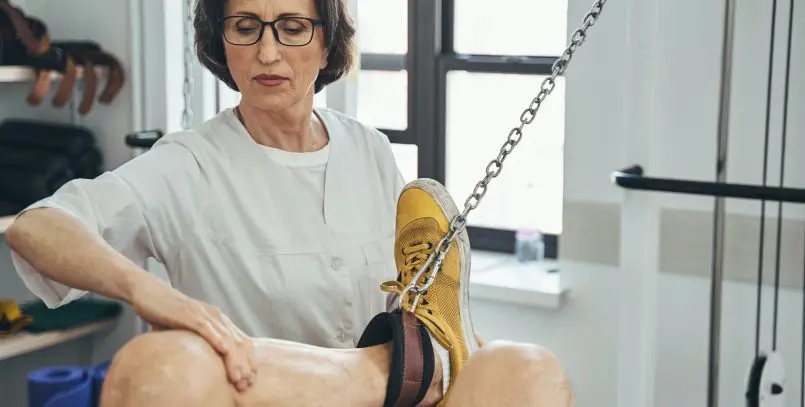
- Physical Therapy: A targeted physical therapy program consisting of strengthening and flexibility exercises, as well as techniques to improve balance and movement, can aid in your recovery and help prevent future injuries.
- Bracing or Support Devices: Depending on the type of injury, your healthcare provider may recommend using a brace or support device to immobilize the affected area and facilitate healing.
- Injections: Steroid injections or other therapies may be recommended to relieve pain and promote healing in certain cases.
- Surgical Intervention: In more severe cases, surgical intervention may be required to repair damaged structures, such as torn ligaments or broken bones.
Preventing Sports Injuries: Tips for Staying Safe on the Field
Preventing sports injuries is as important as treating them. Following some best practices can help reduce your risk of injury and keep you in the game:
- Warm-up and Cool-down: A proper warm-up before exercise and a cool-down afterward can reduce your risk of injury by increasing blood flow and flexibility.
- Stretching and Strengthening Exercises: Incorporating stretching and strengthening exercises into your routine can improve your flexibility, muscular strength, and overall fitness.
- Proper Gear and Equipment: Wearing appropriate protective gear and using well-maintained equipment can help prevent injuries.
- Balanced Training: Avoid focusing too much on a single sport or exercise, as this can lead to overuse injuries. Incorporate cross-training and rest days into your fitness routine.
- Proper Technique: Learn and practice proper techniques for your sport to reduce your risk of injury.
Conclusion
Sports injuries can be painful and frustrating, but at LoneStar Urgent Care, our dedicated healthcare providers are committed to helping you diagnose, treat, and prevent injuries so you can get back to the activities you love. With our personalized treatment plans, expert guidance, and commitment to patient-centered care, you can rest assured that you are receiving the best urgent care in Corpus Christi, TX. Trust LoneStar Urgent Care to be your partner in overcoming your sports injury and maintaining your health and well-being, both on and off the field.