Summer is prime time for outdoor activity in Corpus Christi, TX, and with that activity comes a higher risk of sports injuries. Knowing when to head to urgent care, when to call 911, and when to rest at home is information every active person and parent needs. This post covers the most common summer sports injuries, how to tell their severity, and how Lonestar Urgent Care gives you fast, affordable treatment without the ER wait.
Summer Sports Injuries Are More Common Than You Think
Warm weather brings people outside. Kids join leagues, adults hit the trails, and families spend weekends at the beach or on the field. That increase in activity means a predictable rise in sprains, strains, cuts, and overuse injuries every year.
According to the National Safety Council, millions of Americans are treated for sports and recreational injuries annually, with summer months consistently seeing some of the highest volumes. In Corpus Christi, where outdoor life is part of the culture year-round, that number stays high throughout the warmer seasons.
Many of these injuries do not require an emergency room visit. But they do need proper evaluation and treatment. Choosing the right level of care saves you time, money, and unnecessary stress.
When to Go to Urgent Care for a Sports Injury
Urgent care is the right choice when an injury is painful and needs medical attention but does not involve life-threatening symptoms. A simple rule of thumb: if the injury is stable, not worsening rapidly, and the person is conscious and breathing normally, urgent care is often the appropriate starting point.
Go to urgent care for sports injuries like these:
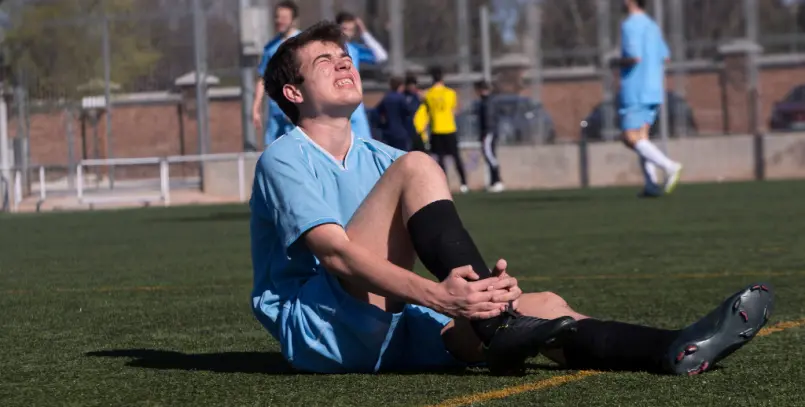
- Ankle or knee sprains that are swollen and painful but bear some weight
- Suspected minor fractures where the bone is not visibly displaced
- Deep cuts or lacerations that need stitches but are not bleeding uncontrollably
- Muscle strains that limit movement and are not improving with rest and ice
- Minor head bumps without loss of consciousness
- Suspected tendonitis or overuse injuries causing persistent pain
- Eye injuries from debris or impact that are not causing vision loss
- Rashes, blisters, or skin infections from outdoor exposure
At Lonestar Urgent Care, walk-in access means you do not need an appointment. You get seen quickly, treated with care, and sent home with a clear plan. No long waits, no rushed visits, and no guessing about costs.
When a Sports Injury Needs the Emergency Room
Some injuries go beyond what urgent care is designed to handle. If any of the following are present, call 911 or go to the nearest emergency room immediately.
Seek emergency care when you observe a sports injury that involves loss of consciousness, difficulty breathing, severe or uncontrolled bleeding, an obviously deformed limb where bone is visible or the joint looks completely wrong, a suspected spinal or neck injury, sudden and severe chest pain, seizures, or repeated vomiting after a head impact.
These are signs of potentially serious trauma that requires emergency resources. Urgent care providers are equipped for a wide range of injuries, but stabilizing life-threatening conditions requires an ER.
The 4 Hour Rule for Head Injury
A common question parents and athletes ask is: what is the 4 hour rule for head injury?
The 4 hour rule is a clinical guideline used primarily in pediatric head injury assessment. It refers to the period during which healthcare providers monitor a patient for worsening neurological symptoms after a blow to the head. Within that 4-hour window, the appearance of symptoms like repeated vomiting, severe headache, increasing confusion, or changes in consciousness signals the need for further imaging and intervention.
If a child or adult takes a hit to the head during a game or fall and loses consciousness, even briefly, that is a medical emergency. If they remain conscious but develop worsening symptoms over the following hours, seek care immediately. If they seem alert, respond normally, and symptoms are mild and stable, an urgent care evaluation is still appropriate to rule out concussion.
At Lonestar Urgent Care, the team evaluates head injuries thoroughly and will refer patients to the emergency room if imaging or advanced monitoring is needed.
Concussion Awareness in Youth and Adult Summer Sports
Concussions are one of the most underestimated injuries in summer sports. They occur from direct head impact or a jarring motion and do not always involve unconsciousness. Athletes sometimes walk off the field appearing fine, only to develop symptoms hours later.
Common concussion symptoms include headache, dizziness, nausea, sensitivity to light and noise, blurred vision, and difficulty concentrating. Younger athletes are especially vulnerable to long-term effects if a concussion goes untreated.
If someone shows these symptoms after a head impact, they should not return to play. Bring them in for evaluation. Lonestar Urgent Care in Corpus Christi assesses concussion symptoms, provides guidance on return-to-activity timelines, and refers for imaging when indicated.
Broken Bones: Fractures vs. Stress Fractures
Not all fractures are obvious. A stress fracture, for example, builds gradually through repetitive motion and often feels like a dull, persistent ache in a foot, shin, or forearm. A standard fracture typically results from direct impact and causes sharp pain, swelling, and limited movement.
If you suspect a fracture of any type, urgent care can evaluate the injury, order X-rays on-site, and determine the next step. If the fracture is clean and stable, it may be treated and splinted at urgent care. If the break is complex or displaced, a referral to an orthopedic specialist will follow.
Do not try to walk off pain that feels bone-deep. Untreated fractures, including stress fractures, worsen with continued activity.
Can Urgent Care Do Anything for Tendonitis?
Yes, urgent care treats tendonitis effectively. Tendonitis is inflammation of a tendon, most often caused by repetitive motion or overuse during activities like tennis, running, or swimming. It causes localized pain, swelling, and stiffness that does not go away with rest alone.
At urgent care, providers evaluate the affected area, rule out more serious damage like a tendon tear, recommend anti-inflammatory treatment, and guide you on activity modification and recovery. If the case is severe or chronic, they will refer you to a specialist. For most summer athletes dealing with fresh tendonitis flare-ups, urgent care is the right first stop.
Heat-Related Illness and Summer Sports
Corpus Christi summers are intense. Heat exhaustion and heat stroke are real risks for athletes and children spending extended time outdoors. Heat exhaustion presents with heavy sweating, weakness, cool or pale skin, nausea, and a fast but weak pulse. Move the person to a cool area, hydrate them, and seek care if symptoms persist.
Heat stroke is a medical emergency. Signs include a body temperature above 103 degrees Fahrenheit, hot and dry skin with no sweating, rapid and strong pulse, and possible unconsciousness. Call 911 immediately.
For heat exhaustion that does not resolve quickly, urgent care provides IV fluids, monitoring, and evaluation. Do not wait to see if it passes on its own when symptoms are significant.
Frequently Asked Questions
When to go to urgent care for an injury?
Go to urgent care when an injury is painful and requires medical evaluation but is not life-threatening. This includes sprains, suspected minor fractures, lacerations needing stitches, concussion symptoms without loss of consciousness, and overuse injuries like tendonitis. If the person is conscious, breathing, and stable, urgent care is generally the right choice.
Where do you go when you have a sports injury?
For most sports injuries, urgent care is the most practical first stop. It offers diagnostic services, imaging, wound care, and treatment without an appointment or the long waits of an emergency room. If the injury involves loss of consciousness, severe deformity, uncontrolled bleeding, or suspected spinal trauma, go directly to the ER or call 911.
What is the 4 hour rule for head injury?
The 4 hour rule refers to a monitoring window after a head impact during which worsening symptoms indicate a need for further intervention. If symptoms like repeated vomiting, severe headache, or confusion develop or worsen within that window, seek emergency care. Stable and mild symptoms should still be evaluated at urgent care.
Can urgent care do anything for tendonitis?
Yes. Urgent care providers evaluate tendonitis, rule out more serious injuries, recommend treatment plans, and advise on activity modification. For most patients experiencing a new or acute flare-up, urgent care provides fast, effective care without the wait of a specialist appointment.
Get Fast Sports Injury Treatment at Lonestar Urgent Care
When a summer injury happens, you deserve care that is fast, thorough, and genuinely compassionate. At Lonestar Urgent Care in Corpus Christi, TX, you get exactly that. No appointments necessary, minimal wait times, and a team that treats you as a person with clear explanations and transparent costs.
From ankle sprain treatment and sports injury evaluation to diagnostic services and minor emergency care, Lonestar Urgent Care is open every day of the year. Walk in any day of the week and leave with a real care plan and the confidence to get back to the activities you love. Visit lonestaruc.com or stop by the clinic today.